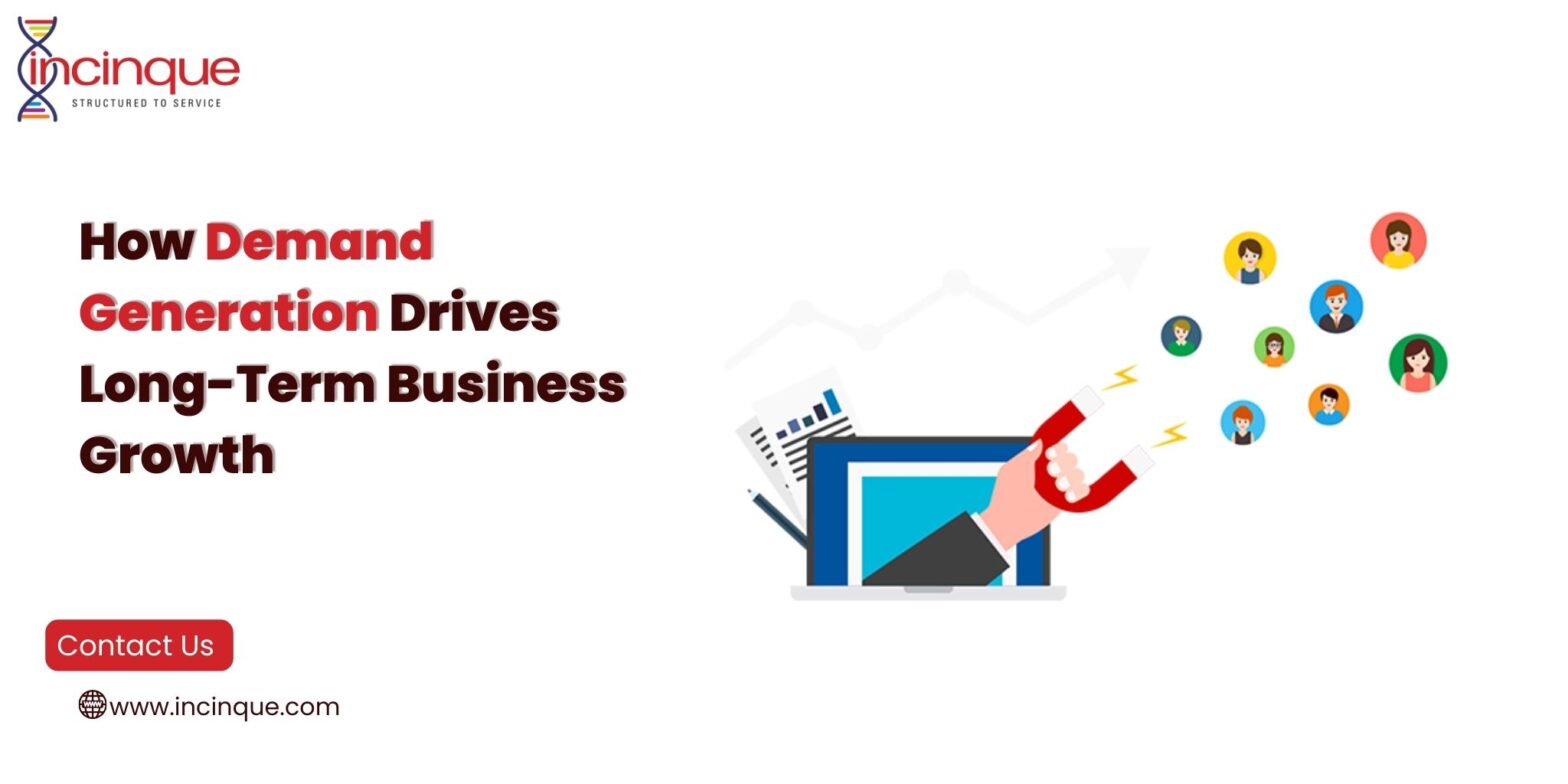
In today’s competitive market, businesses need more than just quick sales; they need consistent demand and a strong pipeline of potential customers. This is where Demand Generation plays a critical role.
By combining strategic marketing efforts with data-driven insights, businesses can attract the right audience, nurture prospects, and convert them into loyal customers. A well-planned Demand Generation Strategy not only improves brand awareness but also strengthens Lead Generation, enabling companies to achieve sustainable Business Growth.
Understanding Demand Generation
Demand Generation refers to the process of creating awareness and interest in a company’s products or services. It focuses on building trust with potential customers through valuable content, targeted campaigns, and strategic communication.
Unlike traditional marketing, demand generation works across the entire Marketing Funnel from awareness to consideration and conversion. By combining Inbound Marketing, content marketing, and digital campaigns, businesses can attract qualified prospects and guide them toward making a purchase.
Demand Generation vs Lead Generation
Although often used together, Demand Generation and Lead Generation have different objectives.
- Demand Generation focuses on creating awareness and interest in your brand.
- Lead Generation focuses on capturing information from interested prospects and converting them into potential customers.
For example, content marketing, webinars, and thought-leadership articles help generate demand, while landing pages, forms, and downloadable resources capture leads for further engagement. A successful Lead Generation Strategy works hand-in-hand with demand generation to create a strong sales pipeline.
The Role of B2B Lead Generation in Business Growth
For companies targeting other businesses, B2B Lead Generation is essential. Unlike consumer marketing, B2B sales cycles are longer and involve multiple decision-makers. Effective B2B Marketing Strategy focuses on identifying the right audience, understanding their challenges, and providing solutions that address their needs.
Tools such as account-based marketing (ABM), targeted email campaigns, and LinkedIn outreach help businesses connect with high-value prospects.When businesses implement a structured Customer Acquisition Strategy, they can attract qualified leads, build relationships, and increase long-term revenue.
How Demand Generation Supports Long-Term Growth
Strengthens Brand Awareness
Demand generation campaigns focus on educating the audience about a brand’s expertise and value. Through blogs, webinars, and social media engagement, businesses can establish authority in their industry.
Improves Lead Quality
Instead of collecting random contacts, demand generation attracts prospects who are genuinely interested in the product or service. This leads to higher-quality leads and better conversion rates.
Supports a Strong Sales Funnel
A structured Sales Funnel Strategy ensures that potential customers move smoothly from awareness to purchase. Demand generation fills the top of the funnel, while lead nurturing strategies guide prospects toward conversion.
Builds Long-Term Customer Relationships
Demand generation focuses on providing value rather than immediate sales. This approach builds trust and encourages long-term partnerships with customers.
Enhances Digital Marketing Performance
When integrated with Digital Marketing Strategy, demand generation improves the effectiveness of SEO, paid ads, and social media campaigns. Data insights help marketers refine targeting and optimize campaigns for better results.
Key Strategies for Effective Demand Generation
- Content Marketing: Creating valuable and informative content is one of the most effective ways to generate demand. Blog articles, whitepapers, and case studies help businesses educate their audience and establish authority.
- Inbound Marketing: Inbound Marketing focuses on attracting potential customers through useful and relevant content. Instead of pushing sales messages, businesses provide solutions to customer problems, which builds trust and engagement.
- Marketing Automation: Using marketing automation tools helps businesses nurture leads through personalized email campaigns, follow-ups, and targeted messaging.
- Data-Driven Insights: Analyzing customer data allows businesses to refine their Customer Acquisition Strategy and improve campaign performance.
Integrating Demand Generation with the Marketing Funnel
A successful Marketing Funnel includes multiple stages:
- Awareness – Attracting potential customers through content, SEO, and social media.
- Interest – Engaging prospects with valuable information and insights.
- Consideration – Demonstrating how your product or service solves their problems.
- Conversion – Turning prospects into customers through effective Lead Generation Strategy and sales engagement.
By aligning demand generation activities with each stage of the funnel, businesses can maximize conversions and drive long-term growth.
Conclusion
A strong Demand Generation Strategy combined with an effective Lead Generation Strategy is essential for sustainable business growth. By optimizing the marketing funnel, leveraging inbound marketing, and implementing a results-driven digital marketing strategy, businesses can attract the right audience and convert them into loyal customers.
At Incinque Business Solutions, we specialize in B2B lead generation, customer acquisition strategies, and targeted demand generation campaigns that help businesses connect with decision-makers and drive long-term growth. Partner with Incinque to turn demand into real business opportunities.